In anticipation of the International Festival of Glass 2026 coming to The World of Glass this summer, we are excited to bring ‘Glass Muse’ to the Godfrey Pilkington Gallery’.
Glass Muse will bring exhibition opportunities for Local, National and International artists to submit new pieces of work to be selected for exhibition ahead of the festival.
We have asked artists to respond to specially selected, rarely seen objects taken out of storage from the Pilkington Glass Collection here at The World of Glass. We’ve had an overwhelming response to this call out and we are looking forward to showcasing selected works.
Exhibition Opening : Saturday 2nd May 12-2pm

Oval, soda glass mirror enclosed in a tortoise-shell case with silver mounts and clasp. On the underside is a rare miniature in colour of a lady, thought to be the Henrietta Duchess of Orleans, with an English hair style decorated with feathers and laces. By the 15th and 16th centuries, glassmakers were producing small, high-quality compact mirrors coated with tin-mercury amalgam on glass, becoming luxury items for the wealthy. During this period French and German artisans began decorating the porcelain backs of mirrors with hand-painted miniatures. Such mirrors were often paired with commodes or vanity sets, reflecting both practical utility and social prestige.
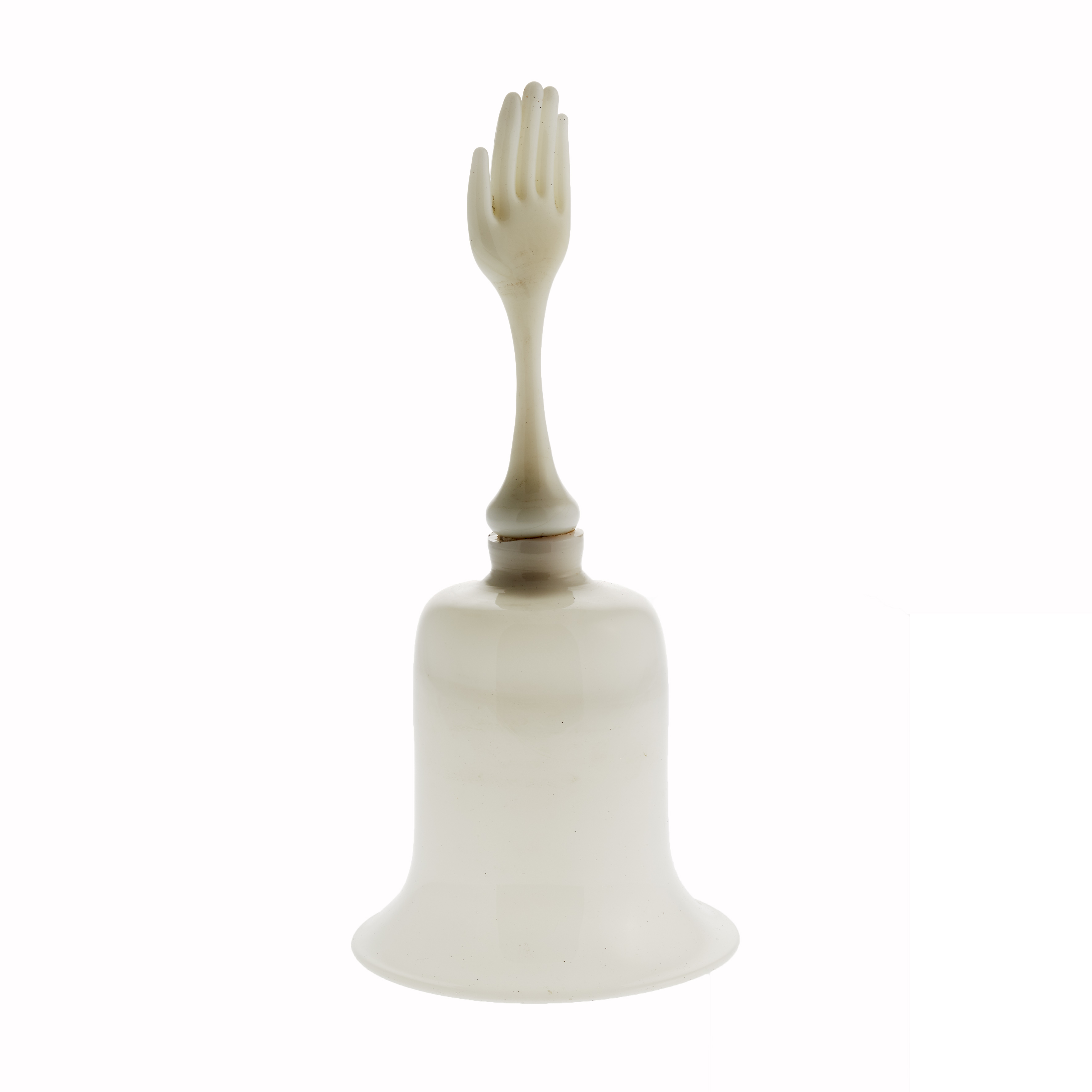
Opaque white glass Nailsea style hand bell with the handle in the shape of a hand and arm stuck to the bell with a plaster type material. The bell is what is known as a ‘frigger’ meaning an object made by a glassworker on his own time using the glass that remained in the pot at the end of the day. They are also known as whimsies.
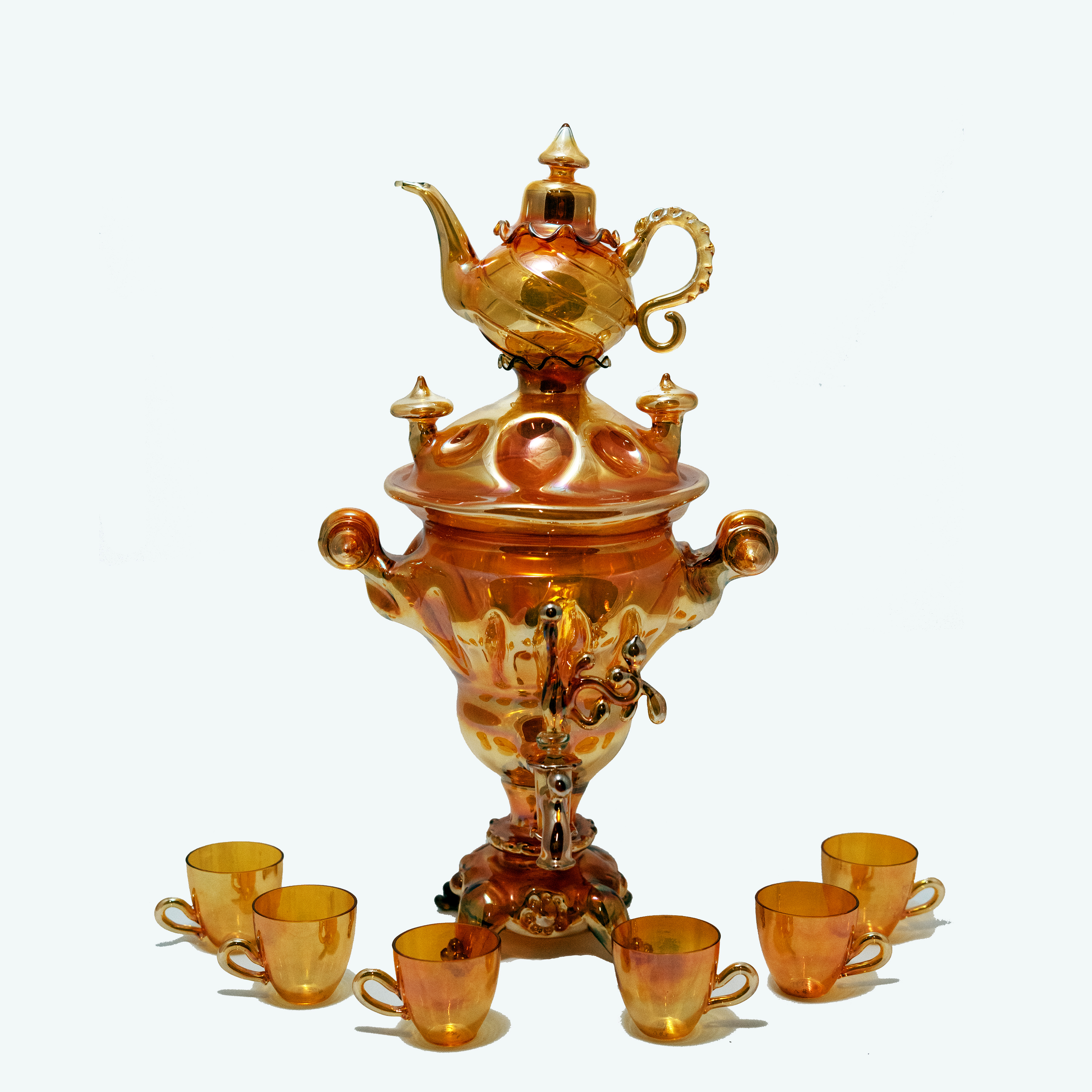
The samovar has a long history deeply rooted in Russian culture from the 18th century. At that time, samovars were considered luxury items found mainly in affluent homes. It’s believed that the Samovar was inspired by similar vessels from Asian cultures designed for tea preparation. During the Soviet era, the Samovar was industrialised and produced in simpler designs to make it more accessible.
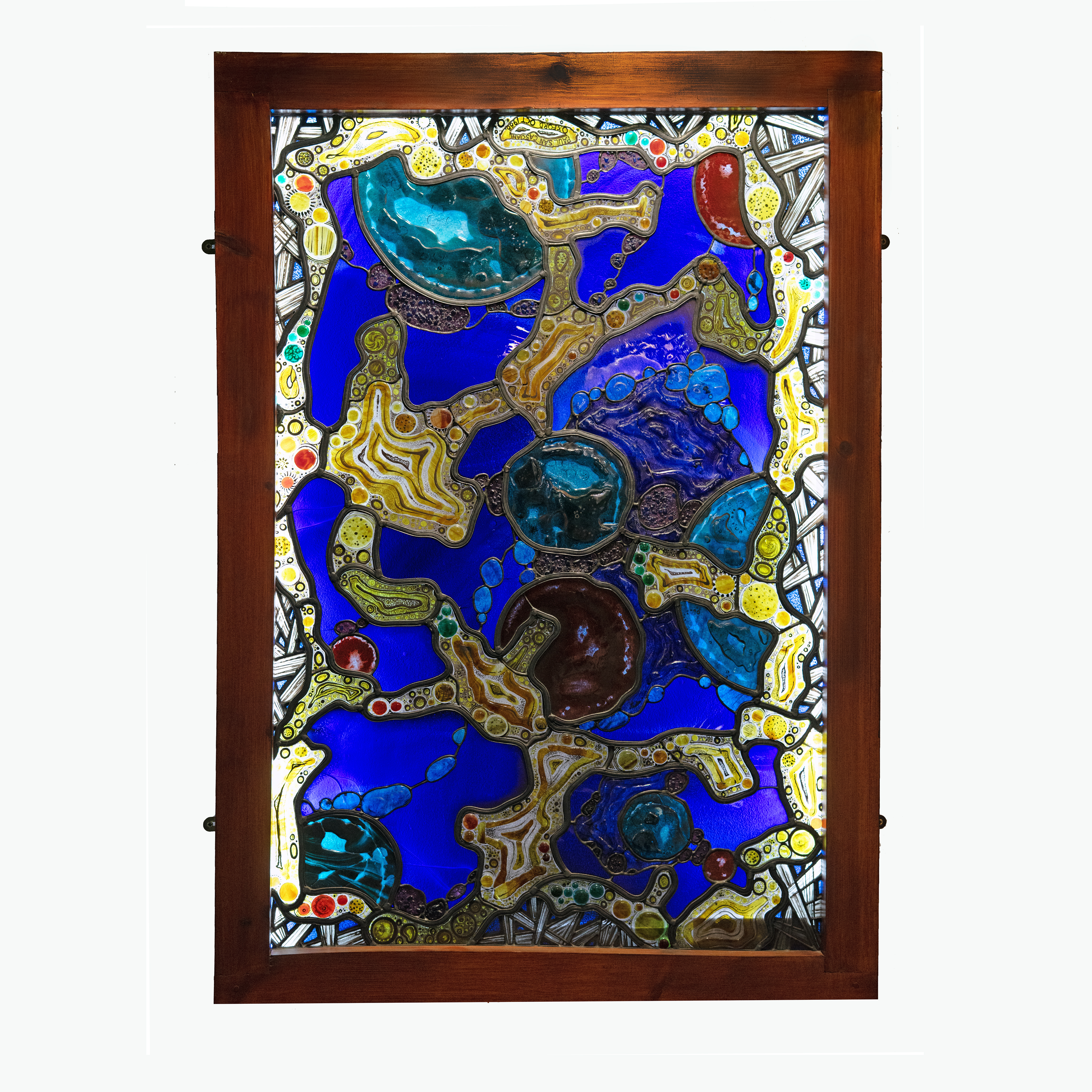
‘Animal, Vegetable & Mineral’ designed by Paul San Casciani and made by glass manufactures Hartley Wood & Co Ltd when owned by Pilkington. The panel is based on the concept of matter as seen through a microscope. The design stresses the complex nature of matter.
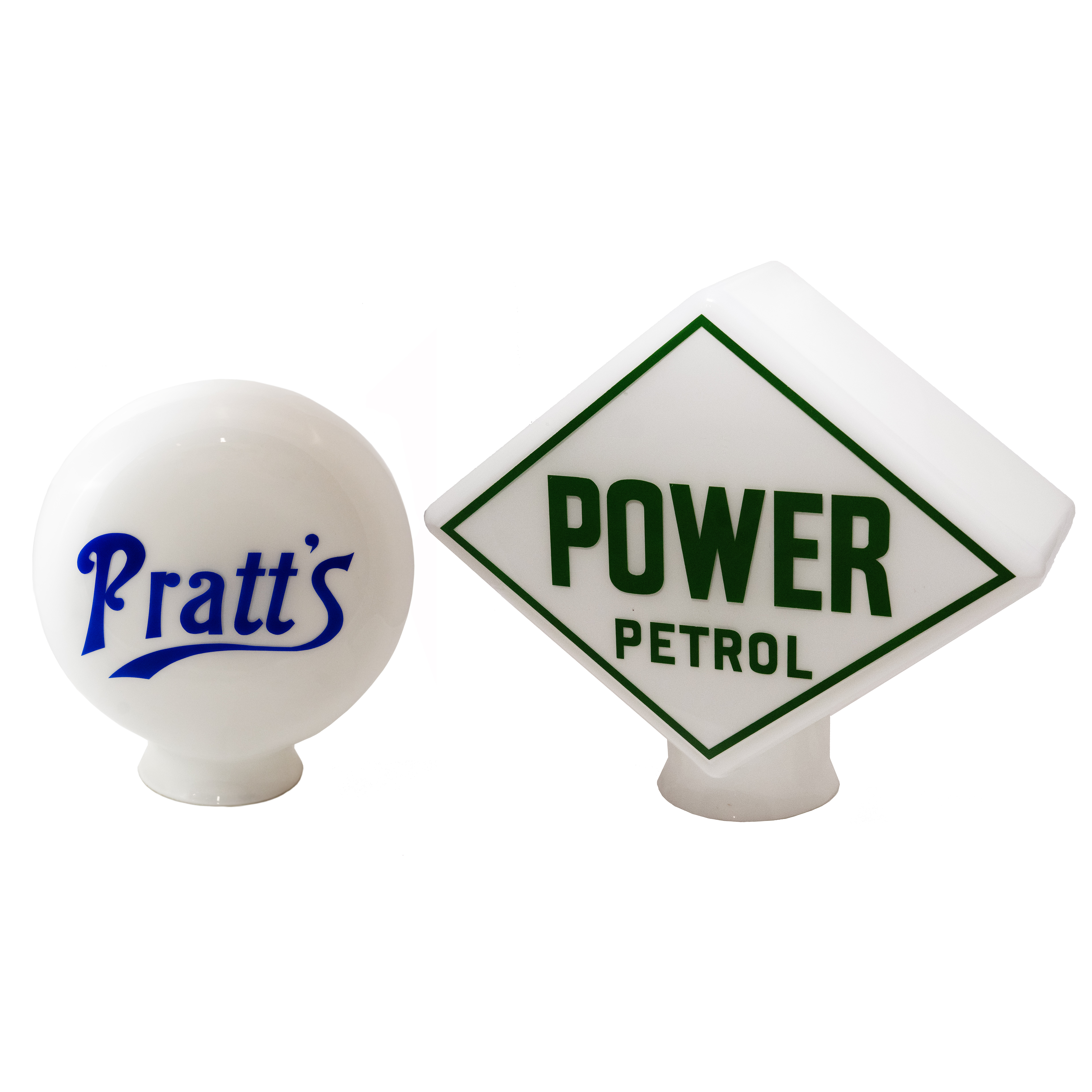
These globes, often illuminated, served a functional purpose at petrol stations, acting as beacons for passing motorists. They were typically made of glass or plastic and featured the logo and branding of the petrol company. The globes are attributed to the Chance Brothers, who were glassmakers founded in Smethwick, West Midlands in 1822. Their notable glass projects included glazing the Crystal Palace to house the Great Exhibition of 1851, and the Houses of Parliament (built 1840–1860). They were bought out by Pilkington Glass in 1951.
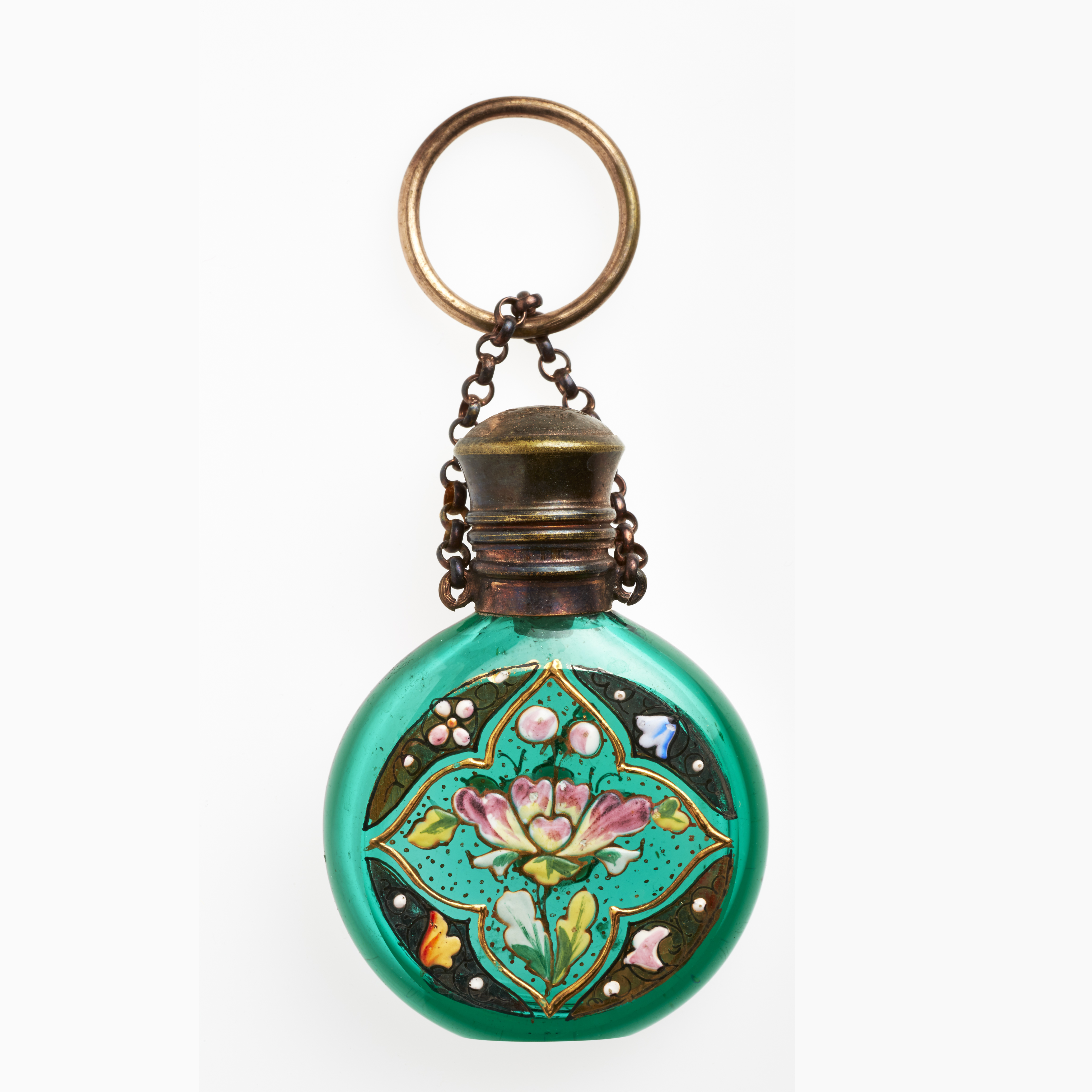
The earliest known perfume bottles date back to the ancient Egyptians, who stored scents in simplistic pottery from around 3000 BC. Intricate Greek and Roman glass designs developed throughout the centuries, culminating in the exquisite craftsmanship of the 19th century Victorian era. The Industrial Revolution enabled mass production while simultaneously preserving artisanal craftsmanship using glass and crystal, often combined with metals, gemstones and intricate designs for high-end pieces. Victorian perfume bottles reflected popular artistic movements such as Neoclassicism, Gothic Revival, and Art Nouveau, serving as functional objects, status symbols and decorative art.
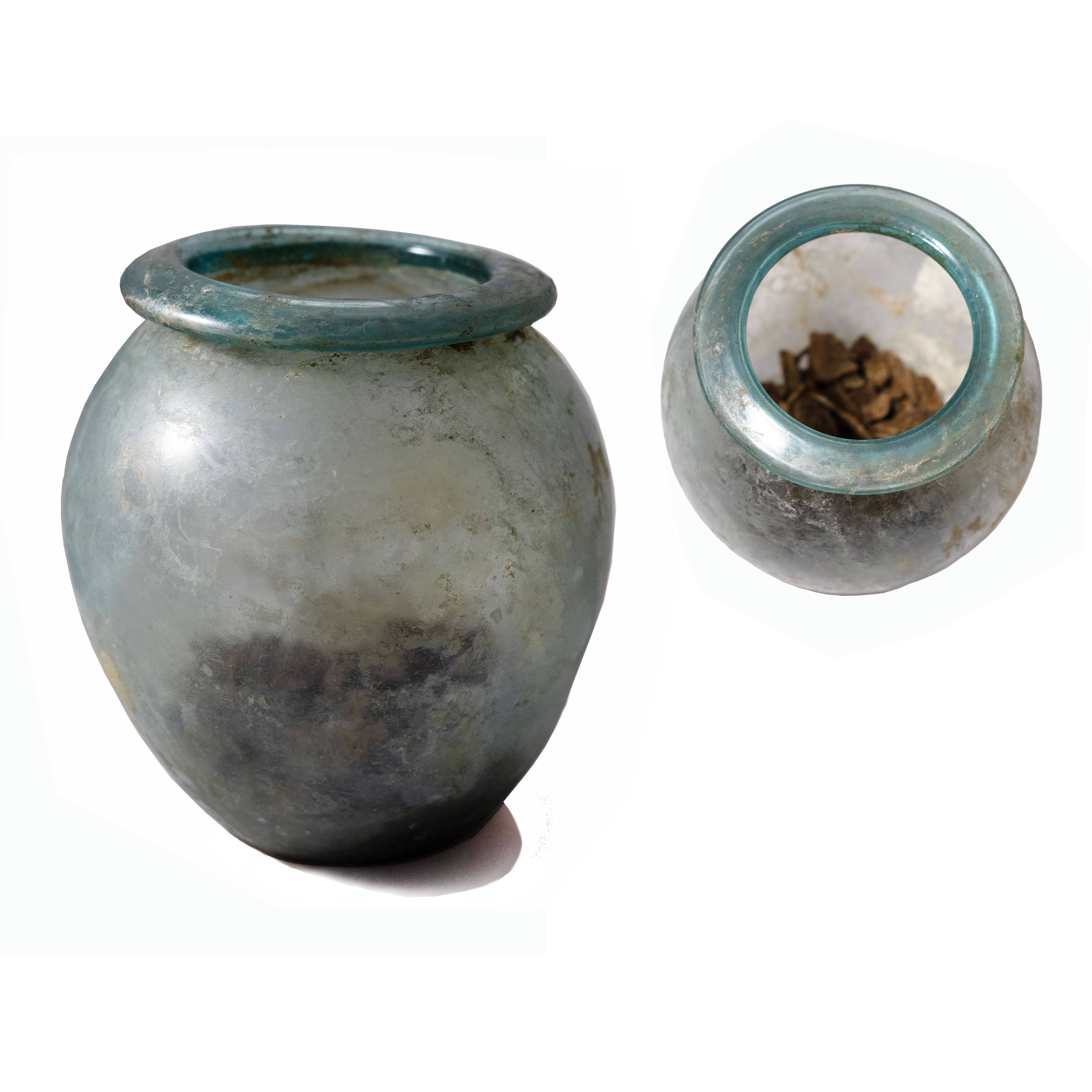
Blown glass cinerary urn, with cremated Roman human remains. A cinerary urn is a container used to hold the ashes of a cremated individual. The term ‘cinerary’ comes from the Latin word ‘cineris’, meaning ashes. These urns served not only as a receptacle for the remains but also as a commemorative object that honoured the deceased.
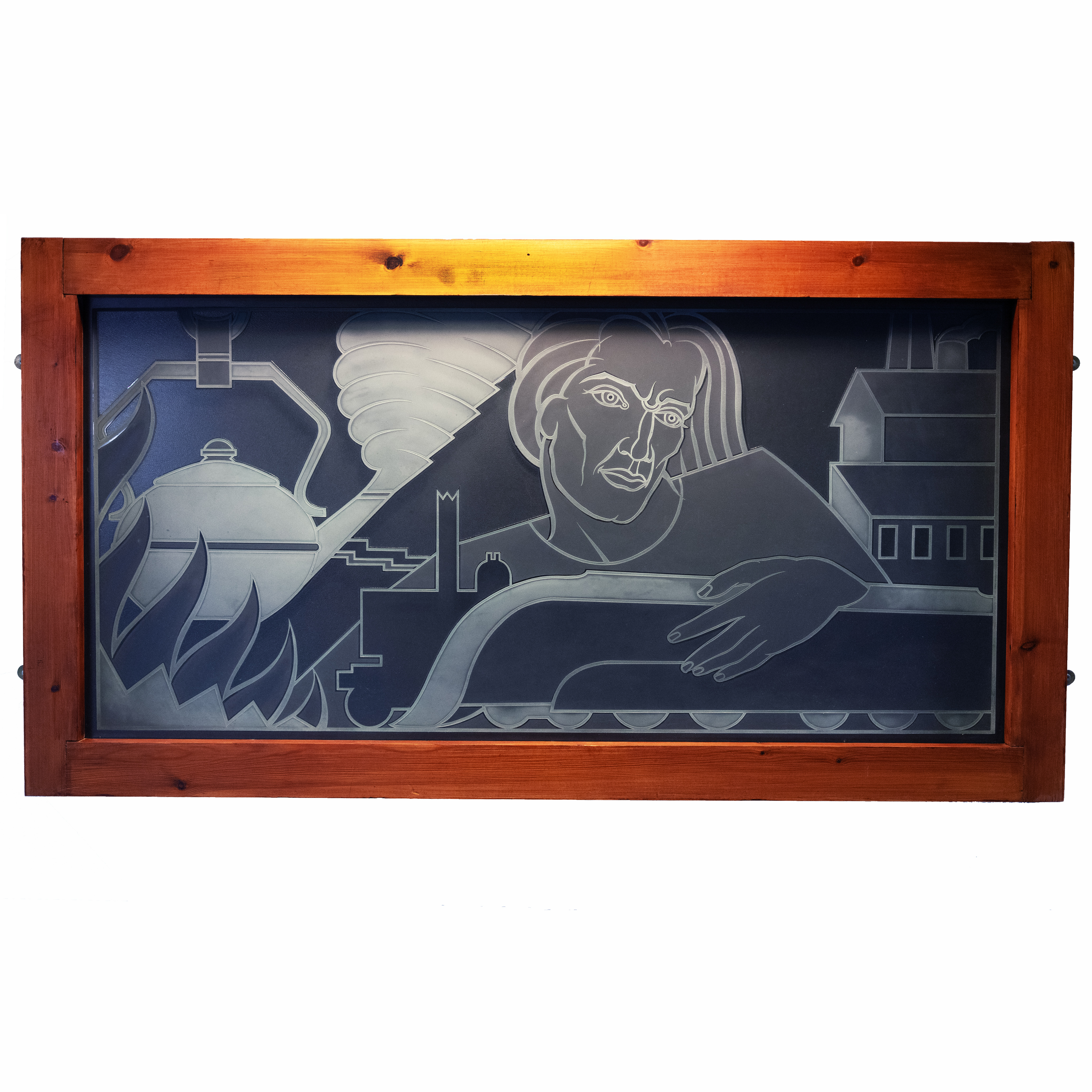
One of a set of 6 glass panels illustrating various types of power in transport which were produced to demonstrate the different techniques of glass working such as engraving, acid etching, sand blasting and stippling.
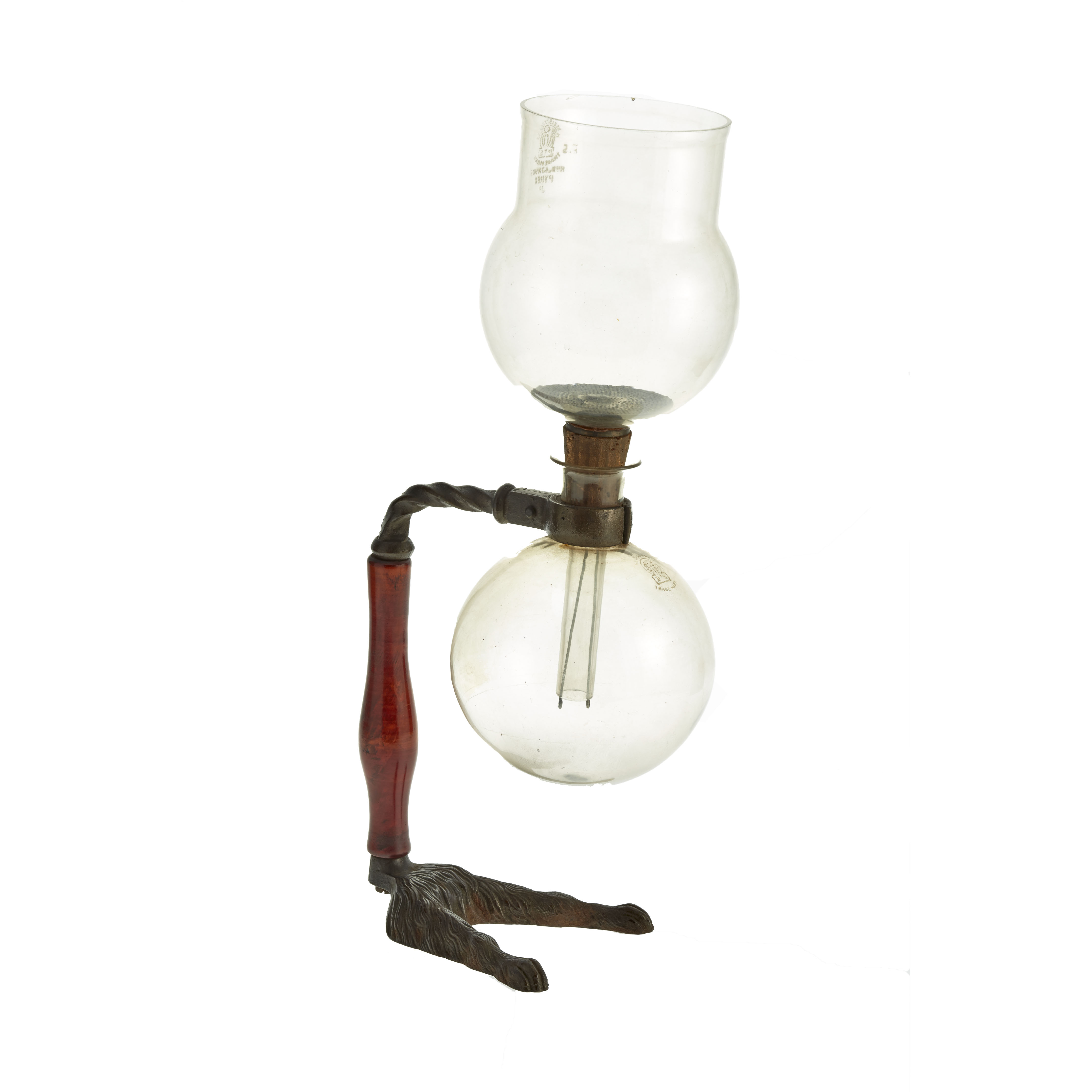
An early application of Pyrex glass, code number “F5 Rd No 678906” with a glass methylated spirits burner, a glass bowl, an upper glass bowl with a metal filter which is held in a metal stand in the form of animal legs with a polished wooden handle.
Early designs of coffee percolators were created between 1810 and 1814 by Benjamin Thompson. During the early 20th Century percolators gained popularity among coffee drinkers, but their use declined in the 1970s with the rise of automatic coffee makers.
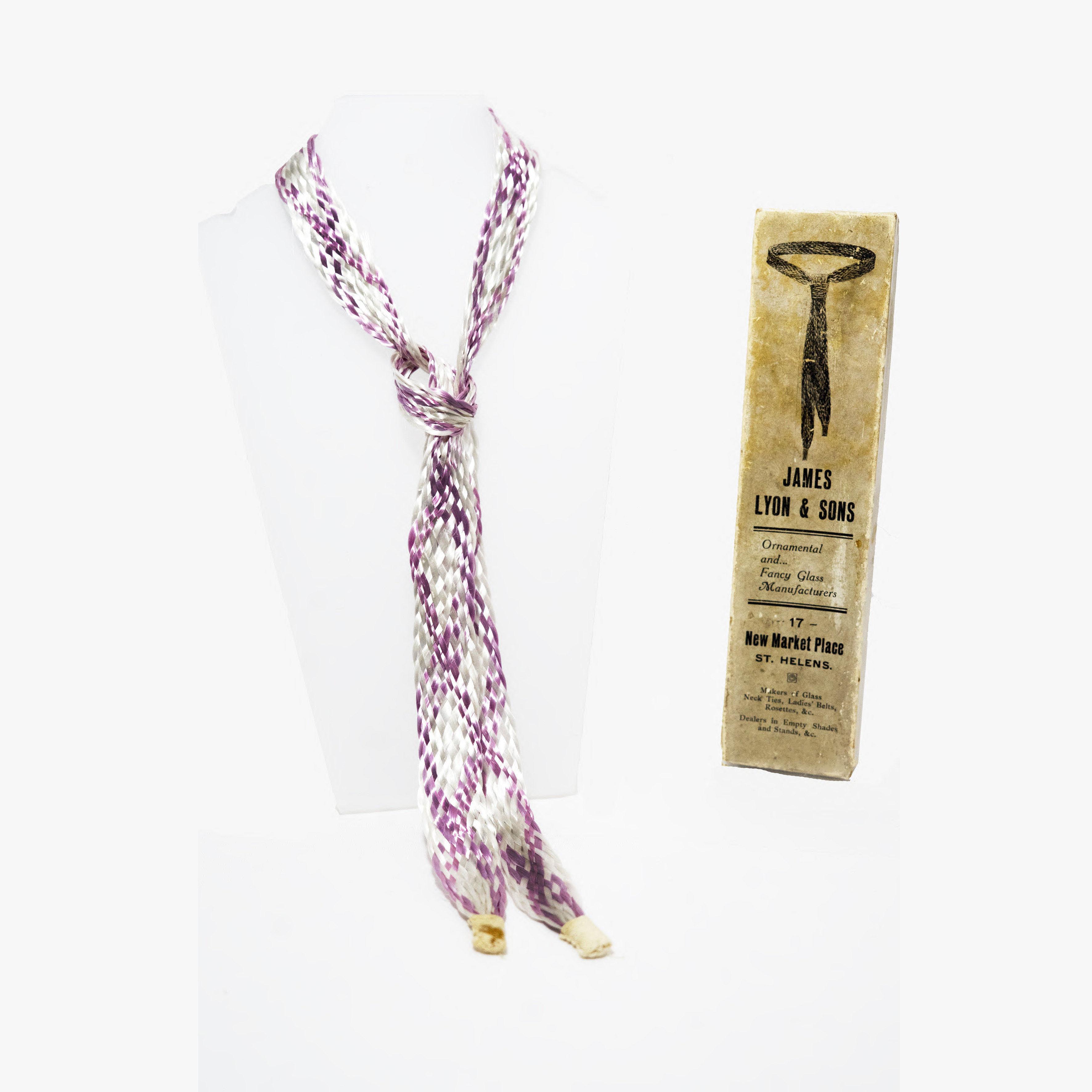
Pink and white Fibreglass necktie in original box made by James Lyon and Sons, Ornamental and Fancy Glass Manufacturers, 17 New Market Place, St Helens.
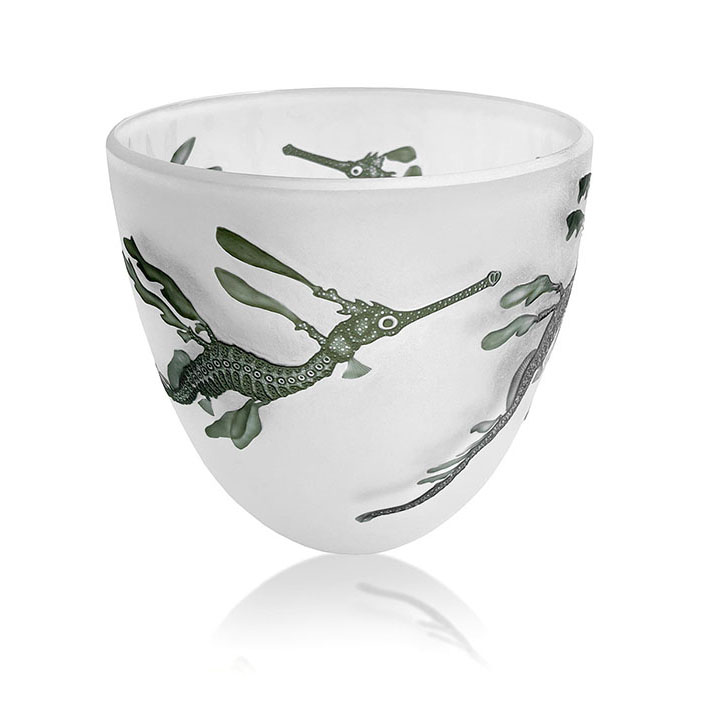
Glass bowl engraved with by glass engraver Katharine Coleman. Katharine’s glass is blown to her design by glassblowers Potter Morgan Glass. Her clear lead crystal forms are overlaid with a 1mm fine overlay of coloured glass. Once blown, the top surface of the glass form where it was attached to the blowing iron is cut away and polished, usually with the assistance of Steve Frey at Cold Glass Workshop, so that one can see inside the bowl or vase
